
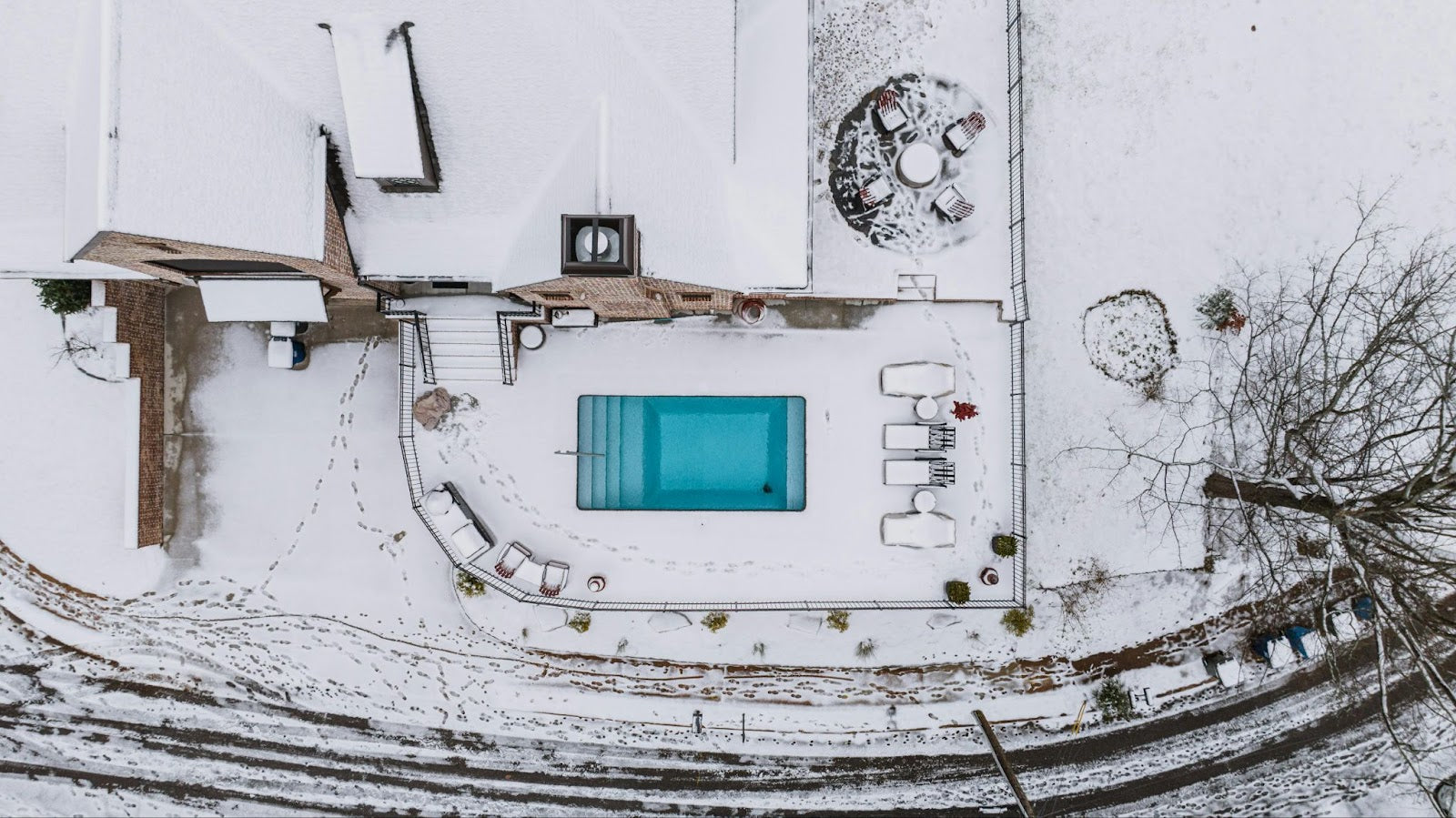
Do you have questions about pool winterizing or need guidance on how to do it? We can help.
After a long, hot summer comes to a close, it's time to prepare the pool for the cold weather. Pool owners need to consider when it's time for winterizing. Closing the pool too early can cause algae to form, and it also deprives you of valuable pool time before winter sets in for good.
On the other hand, choosing to extend the swimming season can result in disastrous consequences if proper procedures aren’t followed. How do you know when to make the call and what needs to be done to ensure your pool is safe all winter and ready for use come summer?
When to Close Your Pool
A standard indicator of when to close is when the air temperature consistently reads 18 degrees Celsius or lower. Pools with heating systems might be able to stay open a bit longer, but it's best to begin winterizing well before temps start dipping toward freezing.
Should You Hire Someone to Close Your Pool?
Professionals usually charge $125-$200 for above-ground pools. The average cost to homeowners for inground pools ranges from $350 to $475 per square foot, and larger inground structures can cost considerably more.
While it’s worth it for some pool owners, many people want to avoid the cost of paying someone to help them close their pools and do it themselves.
You might also consider closing it yourself and having a certified professional double-check your job if it’s the first time closing. This would cost much less than having them perform the entire job for the pool owner.
As long as the pool owner can perform the necessary tasks, closing and reopening a pool is a time-consuming but manageable process.
What’s Involved In Winterizing Your Pool?
Where to begin?
First, assess your situation.
Are you dealing with an above-ground or in-ground pool? Regardless of the type, seasonal maintenance matters.
Below-freezing weather, chemical imbalance, and algae development can damage the pool's various components. If left to Mother Nature's cruel winter temperatures, liners, pipes, and filters can be ruined.
Exposing a pool to freezing temperatures can lead to structural damage. Although above-ground pools are simpler to winterize, they still require attention. The pool must be thoroughly cleaned and debris vacuumed to prevent algae from forming. Summer Smiles Algae-Out 3-in-1 Cubes [SKU: 3007065] is a highly recommended product.
Adjust the pH, alkalinity, and calcium levels, and add algaecide. The water level must be lowered below the skimmer line to protect pipes from freezing. Using a compressor or blower to remove water from the pumps, filters, and heaters is essential. A tight-fitting pool cover should be installed to prevent debris and lessen evaporation.
In addition to the necessary tools, such as screwdrivers and ratchet sets, other specific tools required to complete the project include a wall brush, a leaf net (Blue Deep ProSeries Leaf Skimmer by Swimwerx), an air blower compressor, a seasonal safety cover, and a pool vacuum.
Chemicals that are needed include:
-
Chlorine
-
Algaecide
-
Cyanuric acid, shock
-
Non-toxic antifreeze
The pH level should be tested to determine if additional pH adjustment is required. To use the correct type and amount of each chemical, it is recommended to contact a local pool dealer or pool supply merchant.
Three standard chemical testing methods are used: test strips, pool testing kits, and electronic testing devices. Any of these methods is acceptable. Test strips are simple to use. We like the AquaChek Mach 7-in-1 Test Strips.
When It’s Time to Reopen
Once the winter weather has passed, it's time to consider reopening the pool.
As with the pool's closing in the fall, specific steps are required to prepare for the season. The pool cover should be vacuumed and cleaned to prevent debris from accumulating and falling into the water. Inspect the pumps and filters for cracks or other damage. If intact, they can be reinstalled. Refill the pool and test the water chemistry before running the system.
Once the chemicals have been added, run the pool system for at least 36 hours to allow the chemicals to circulate and clear any cloudiness.
Properly closing and opening the pool helps prevent operational issues and extends its lifespan. Once the pool owner has performed this annual maintenance, the task will become easier each year. The big question is whether you want to assume this responsibility to save a few dollars or would prefer to consult a professional to perform the process for you.
If you’d like to learn more about winterizing your pool or need supplies to help with the job, we’re ready to assist you.
